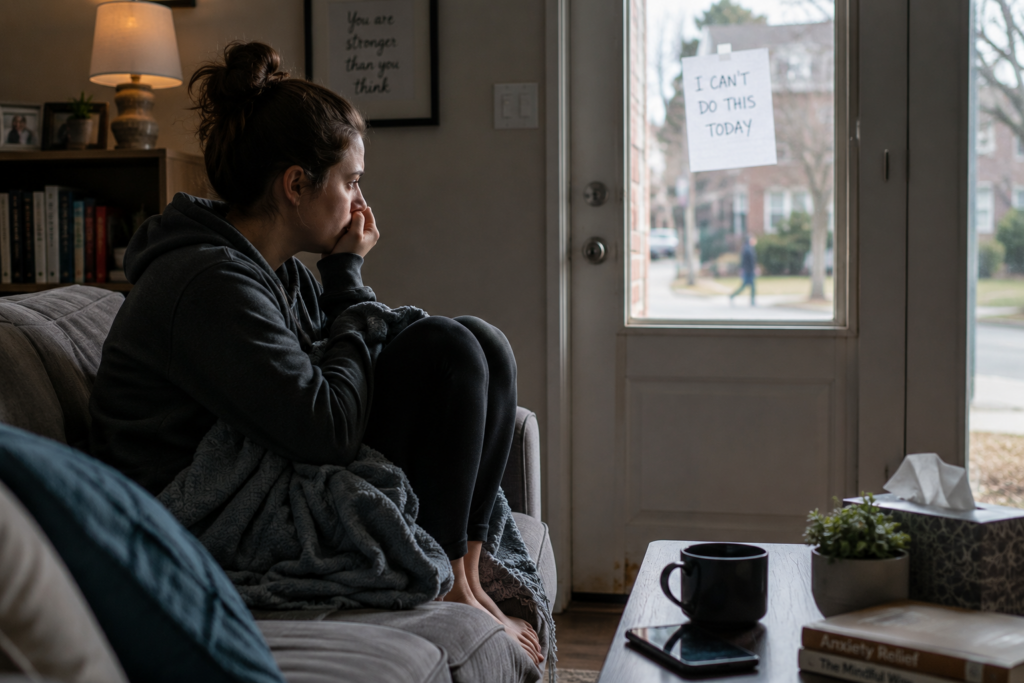
Do you have trouble falling asleep? Do you wake up in the middle of the night and struggle to get back to sleep? If so, you’re not alone. Millions of people have difficulty falling asleep, staying asleep, or waking up feeling rested.
I know the feeling well. In fact, I’m writing this article at 3:00 a.m.
I woke up during the night, couldn’t fall back asleep, and after lying in bed for twenty minutes, I decided to stop fighting it and do something productive instead. I think I know what caused my sleeplessness, but more on that later.
Insomnia can have many causes, including stress, anxiety, depression, changes in work schedules, chronic pain, medical conditions, social media habits, caffeine, and poor sleep hygiene.
The good news is that insomnia is often treatable. By avoiding habits that interfere with sleep and practicing a few simple sleep-promoting strategies, you can improve the quality of your sleep and wake up feeling more rested.
Why Sleep Matters
Most adults need seven to eight hours of sleep each night. While our sleep patterns may change somewhat as we age, our need for sleep remains remarkably consistent. If you regularly feel tired, irritable, or foggy during the day, it may be a sign that you’re not getting enough sleep at night.
Sleep is not a luxury—it’s a biological necessity.
When you’re sleep deprived, your mood suffers. You become more irritable, more emotionally reactive, and less able to cope with everyday stress. Lack of sleep can also impair concentration, memory, decision-making, and problem-solving. Over time, it can weaken your immune system and increase your vulnerability to illness.
The bottom line: getting enough sleep is one of the best things you can do for both your physical and emotional health.
Thirteen Tips for Better Sleep
1. Express Your Thoughts and Feelings
Many people struggle to fall asleep because they can’t shut off their minds. They lie awake replaying conversations, worrying about tomorrow, or dwelling on problems. If this sounds familiar, try writing down your worries before bed. Journaling, talking with a friend, or speaking with a therapist can help clear your mind. Sometimes simply putting your thoughts into words is enough to quiet them.
2. Keep a Consistent Sleep Schedule
Go to bed and wake up at roughly the same time every day, even on weekends. A consistent routine helps train your body’s internal clock and makes it easier to fall asleep naturally.
3. Reserve Your Bed for Sleep
Try not to use your bed as an office, dining room, or entertainment center. Avoid working, eating, scrolling social media, or watching stimulating programs in bed. If you struggle with anxiety, avoid consuming upsetting news or emotionally charged content right before bedtime. Give your mind a chance to wind down.
4. Create a Sleep-Friendly Environment
Your bedroom should be dark, quiet, and comfortable. If noise is a problem, use a fan, air purifier, white noise machine, or earplugs. If light is the issue, consider blackout curtains or an eye mask. Temperature matters, too. Most people sleep best in a cool room, generally between 65 and 72 degrees Fahrenheit. And don’t overlook your mattress and pillow. If they are uncomfortable or worn out, replacing them may significantly improve your sleep.
5. Exercise Regularly
Regular exercise can help you fall asleep faster and sleep more deeply. Morning or afternoon exercise works best for many people. However, vigorous exercise close to bedtime may leave some people feeling too energized to fall asleep.
6. Listen to a Guided Relaxation Exercise
Instead of listening to anxious thoughts, listen to something calming. Techniques such as Progressive Muscle Relaxation, Guided Imagery, and Autogenic Relaxation can quiet a racing mind and relax a tense body. A guided relaxation recording can become part of your nightly routine and signal to your brain that it’s time to sleep.
7. Limit Caffeine
Caffeine is one of the most common and overlooked causes of insomnia. Coffee, energy drinks, tea, and caffeinated sodas stimulate the nervous system and can remain in your body for hours. In fact, caffeine has a relatively long half-life, meaning that five to seven hours after consuming it, roughly half of it may still be circulating in your system. Many people get caught in a vicious cycle: they sleep poorly, consume more caffeine to get through the day, and then can’t sleep well at night because of the caffeine.
That may be exactly what happened to me tonight. At a late dinner, I drank more cola than usual. Hours later, here I am writing an article on insomnia instead of sleeping.
8. Have a Light Bedtime Snack
A light snack before bed can help some people sleep better, but keep it small. A banana with peanut butter, cheese and crackers, a small bowl of oatmeal, or a piece of fruit are all reasonable choices. Avoid heavy meals, excess sugar, or foods and drinks that contain caffeine.
9. Skip the Nightcap
Alcohol may make you feel sleepy initially, but it often disrupts the deeper stages of sleep and can cause you to wake during the night. If restful sleep is your goal, alcohol close to bedtime is usually not your friend.
10. Be Careful with Naps
Long naps can interfere with nighttime sleep. If you do nap, try to keep it short—about twenty to thirty minutes—and avoid napping late in the day. If you’re feeling sluggish, taking a walk or getting some light exercise may be more refreshing.
11. Go to Bed on Time—But Don’t Force Sleep
Many people delay bedtime because they’re watching television, working, or scrolling through social media. Eventually, exhaustion catches up with them. Turn off your devices, go to bed at a reasonable hour, and give yourself the opportunity to sleep.
12. Consider Supplements or Medication
Some people find that supplements such as melatonin, magnesium glycinate, valerian root, or L-theanine are helpful. For others, prescription medications may be appropriate. A very small dose of an anti-depressant helps people sleep through the night and are often prescribed because they are not addictive or sedating. Before starting any supplement or medication, it’s wise to discuss it with your healthcare provider, especially if you take other medications or have medical conditions.
13. Stop Fighting Insomnia
This may be the most important tip of all. Worrying about not sleeping often creates more insomnia. If you lie in bed thinking, I have to fall asleep right now or tomorrow will be a disaster, your body becomes more alert, not less. Don’t pressure yourself to fall asleep. Sleep is not something you can force. The harder you try, the more elusive it becomes.
Instead, remind yourself:
“It’s okay if I don’t sleep perfectly tonight. I’ve gotten through tired days before, and I can do it again.”
Paradoxically, the less you struggle against sleeplessness, the easier it often becomes to fall asleep. That’s exactly what I decided to do tonight.
I stopped fighting. I got out of bed. I wrote this article.
And now that I’m feeling sleepy again, I’m going to give sleep another chance.
Wish me luck.
When to Seek Professional Help
If insomnia persists despite making these changes, talk with your doctor. Sometimes insomnia is a symptom of an underlying problem such as anxiety, depression, chronic pain, thyroid problems, medication side effects, or sleep apnea.
Symptoms of sleep apnea may include loud snoring, pauses in breathing during sleep, gasping for air, morning headaches, dry mouth, or excessive daytime fatigue.
The good news is that insomnia is highly treatable. Once the underlying cause is identified, effective treatments are available—from behavioral strategies and therapy to medication when appropriate. You don’t have to accept poor sleep as your normal. With the right approach, restful nights are possible again.